What are the Best Uses for Striped Fabric in Fashion and Home Decor?
Striped fabric has captivated the fashion and home decor industry for decades. Renowned textile expert Sarah Dalton once noted, "Stripes can transform any space or outfit with their playful charm." This statement highlights the versatility of striped fabric, making it a staple in many homes and wardrobes.
In fashion, striped fabric is often associated with playful aesthetics. Designers use it to create everything from casual t-shirts to elegant dresses. The lines can elongate the body and add dimension to garments. In home decor, striped fabric can brighten up spaces. Whether used for curtains, cushions, or upholstery, it adds a sense of rhythm to any room.
However, it's essential to consider how and where strips are applied. Overusing it can lead to visual clutter. Moreover, not all stripes suit every context. It’s a delicate balance to strike for the perfect visual appeal. Striped fabric has immense potential when used thoughtfully.
Best Uses of Striped Fabric in Fashion: An Overview of Trends
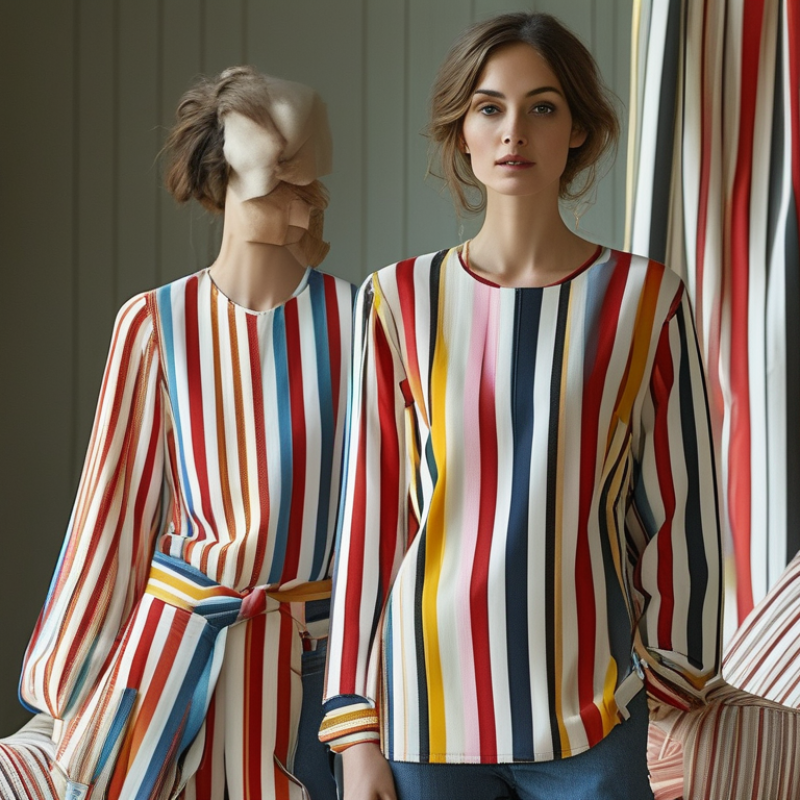
Striped fabric has firmly established itself as a staple in the fashion industry. Its versatility allows it to transcend seasonal trends. Designers often play with varying widths and color combinations to create unique visual statements. Stripes can be fresh and modern or nostalgic, evoking classic fashion silhouettes. The right stripe pattern can accentuate body shapes and add an element of fun to any ensemble.
Consider the popularity of striped shirts. They can be dressed up or down. A loose-fitting striped blouse paired with tailored trousers creates a chic office look. On the other hand, a form-fitting striped dress projects an elegant vibe for an evening out. Accessories, like simple earrings or a bold handbag, can enhance the outfit without overshadowing the stripes. However, the challenge often lies in choosing the correct stripe orientation to suit various body types.
Mixing striped pieces can also yield stunning results. A striped skirt might pair beautifully with a solid top, or vice versa. But not everyone feels confident experimenting with such combinations. Some might worry about clashing patterns or overwhelming visuals. Striped fabric encourages creativity but requires a bit of caution. A careful approach can turn a potential fashion misstep into a statement piece.
Best Uses for Striped Fabric in Fashion and Home Decor
Traditional vs. Contemporary: The Evolution of Striped Fabric Design
The evolution of striped fabric design reflects a rich interplay between traditional and contemporary aesthetics. Historically, stripes symbolized status and sophistication. In the 18th century, stripes adorned the garments of the elite. Fabrics with bold lines often marked the designs of tailored suits and dresses, creating a visual rhythm that catered to upper-class tastes.
Recent data highlights a shift in stripe utilization. According to a 2022 report from Textile World, 62% of designers now incorporate more abstract striped patterns into their collections. Contemporary stripes often feature irregular widths and varied orientations, challenging conventional styles. This movement encourages experimentation, allowing for unexpected pairings in fashion and home decor. For example, stripes can be seen across diverse contexts, from a relaxed lounge chair to a chic summer dress.
Yet, the trend raises questions about identity and authenticity. Some critics argue that modern interpretations stray too far from the elegance of tradition. They suggest that as designs become more unconventional, they risk losing the legacy that defined striped fabric for centuries. This ongoing dialogue shapes the future of textile design and offers a platform for reflection on material culture. As stripes continue to evolve, they invite us to reconsider their role in both fashion and décor.
Color Psychology: How Striped Patterns Influence Mood and Perception
Striped fabric holds a unique place in both fashion and home decor. The psychology of colors in stripes plays a significant role in how we perceive spaces and styles. Bold stripes can evoke energy, making them ideal for active environments. Conversely, soft pastel stripes create a sense of calm and relaxation. When designing your space, consider how these patterns can alter the mood within a room.
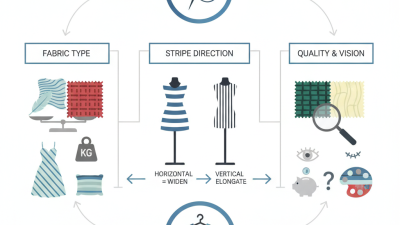
In fashion, stripes can influence the way we feel and express ourselves. Vertical stripes may give an illusion of height, while horizontal ones can create a sense of width. Stripes can be playful or serious, depending on how they are styled. It’s fascinating how the combination of colors and width can change our perception.
Yet, not everything is perfect. Stripes can sometimes feel overwhelming, leading to visual confusion. Mixing stripes with other patterns can be tricky. Balancing these designs requires thoughtfulness and awareness of personal style. It’s essential to reflect on how these patterns resonate with individual preferences and moods.
Striped Fabric in Home Decor: Balancing Aesthetics and Functionality
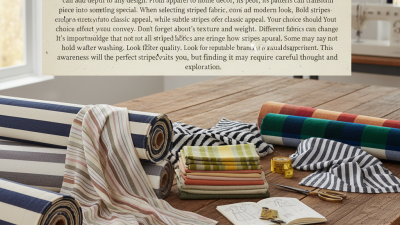
Striped fabric can transform any home decor. Its versatility allows for various applications, from curtains to upholstery. Choosing the right colors and widths can define a room's mood. Narrow stripes may evoke a modern feel, while broader ones can add a traditional touch.
In practice, balancing aesthetics with functionality is crucial. For instance, a bold striped duvet cover might look great, yet it may overwhelm a small bedroom. Similarly, striped throw pillows can enliven a sofa, but too many can create chaos. One must find that sweet spot where stripes enhance instead of detract from the overall design. Experimenting with placements and combinations is essential.
Creating harmony with striped fabrics requires mindful selection. Stripes can connect different elements in a room, tying together disparate colors and textures. However, overuse can result in visual clutter. A well-placed striped rug can serve as a focal point, grounding the space while providing softness underfoot. Thoughtful integration can elevate the overall atmosphere, making striped fabric a powerful choice in home decor.
Best Uses for Striped Fabric in Fashion and Home Decor
| Use Case |
Description |
Aesthetic Impact |
Functionality |
| Curtains |
Striped fabric curtains can bring depth and interest to a room. |
Enhances visual height and adds a pop of color. |
Provides light control and privacy. |
| Cushions |
Striped cushions can complement various patterns and styles. |
Creates a modern, playful aesthetic. |
Adds comfort and style to seating areas. |
| Tablecloths |
Striped tablecloths can enhance dining experiences. |
Brings a vibrant atmosphere to meals. |
Protects surfaces while adding style. |
| Dresses |
Striped dresses can create stylish silhouettes. |
Can elongate the body and make a bold statement. |
Functional for casual to formal occasions. |
| Wall Art |
Fabric wall art using stripes can be an innovative decor item. |
Adds texture and visual interest to walls. |
Lightweight and easy to change without permanent fixtures. |
Sustainable Practices: Eco-Friendly Striped Fabrics in Fashion and Interiors
Striped fabric has always held a special place in fashion and home decor. Its versatility makes it a popular choice among designers. However, choosing eco-friendly striped fabrics goes beyond style. It reflects a commitment to sustainability. These materials often come from organic cotton, hemp, or recycled fibers. They reduce environmental impact and support ethical practices.
The challenge lies in sourcing high-quality, sustainable striped fabrics. Many options exist, but not all are truly eco-friendly. It's essential to research and verify the sourcing methods. Certifications, such as Global Organic Textile Standard (GOTS), can guide consumers. Look for markings that ensure the fabric is free from harmful chemicals. Investing in sustainable options means contributing to a healthier planet while enjoying beautiful design.
Incorporating these fabrics into your home can enhance its aesthetic. Consider striped cushions or curtains to add dimension to a room. Fashion-wise, striped garments can be both trendy and timeless. Yet, the pursuit of sustainability doesn't end with selection. It's vital to care for these fabrics properly. Washing with cold water and air drying ensures longevity. Embracing sustainable practices requires ongoing effort and awareness, but the benefits are immense.

 +86 15968093247
 CONTACT NUMBER
 CONTACT e-mail