How to Choose the Best Lace Fabric for Your Projects?
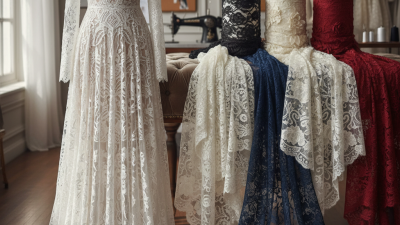
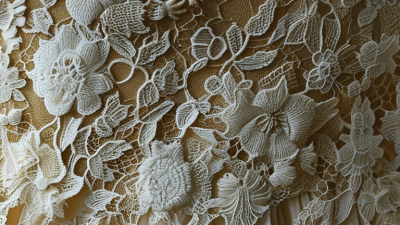
Choosing the right Lace Fabric for your projects can be a rewarding yet challenging endeavor. Lace is not just about aesthetics; it plays a significant role in the overall feel and appeal of your creation. With countless varieties available, making a choice often feels daunting. Every piece of lace has unique textures, patterns, and weights to consider.
When selecting Lace Fabric, think about the project’s purpose. Different fabrics suit different needs. For instance, heavier laces provide structure, while lighter types offer a delicate touch. It’s important to grasp how these characteristics will affect your design. Take time to evaluate the quality and craftsmanship of the lace you choose. A small detail can make or break your project.
Sometimes, it’s easy to overlook the importance of feel and drape. Try to visualize how your finished piece will look and wear. Remember, not every lace will work flawlessly for your vision. You may need to reflect on your initial choices and be open to adjusting your selection. The journey of finding the right Lace Fabric can lead to unexpected creativity and beautiful results.
Understanding Different Types of Lace Fabrics: A Comprehensive Guide
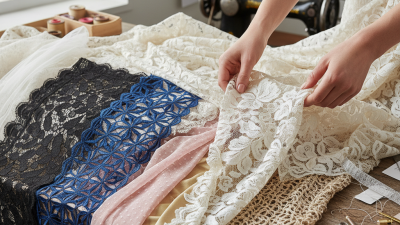
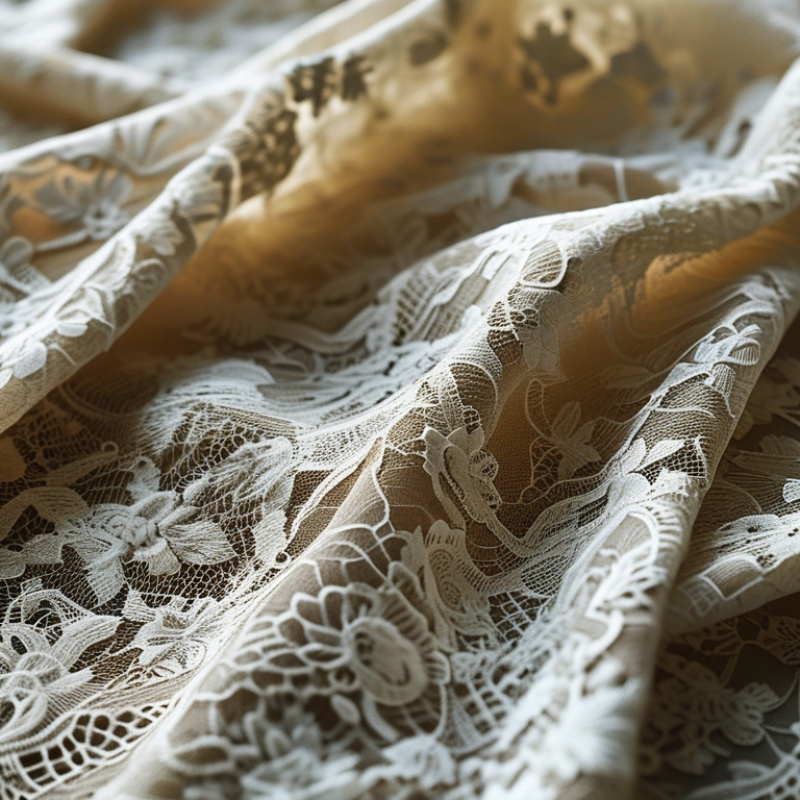
Lace fabric comes in various types, each offering unique textures and patterns. Knowing the difference can significantly enhance your projects.
Cotton lace is a popular choice. It’s soft, breathable, and ideal for summer garments. Its delicate design adds a vintage charm to any outfit.
However, it might lack durability for heavy use.
On the other hand, polyester lace is more robust. This type can withstand frequent washing and is less prone to fraying. It’s perfect for home décor, like curtains or tablecloths, where longevity is crucial.
Yet, the synthetic fibers might not have the same aesthetic appeal as cotton lace.
Silk lace exudes luxury and elegance. It drapes beautifully, making it great for special occasion dresses.
However, it requires careful handling and maintenance, which could be a drawback for some.
When selecting a lace fabric, consider the project's purpose. Each type of lace brings a specific quality. Reflect on your needs and the fabric's characteristics.
Don’t rush into a decision; take time to explore different options.
Remember, the right lace can elevate your work, while the wrong choice may lead to frustration.
Evaluating Lace Fabric Grades: How Fabric Weight Influences Drapability
When selecting lace fabric for your projects, understanding fabric weight is essential. The weight of lace fabric significantly influences its drapability. Lighter lace types, often around 30-50 grams per square meter, tend to flow beautifully. This makes them ideal for delicate garments like blouses or evening dresses. However, they may lack structure. We need to think about how this affects our design ideas.
Conversely, heavier lace fabrics, typically ranging from 80 to 120 grams per square meter, offer more stability. They drape well but can feel stiffer. This may affect comfort and movement in the finished piece. According to a report from the Textile Research Journal, fabric weight directly impacts not only how a garment hangs but also durability and wearability. Choosing the right weight involves weighing these factors against project needs.
It’s important to experiment with different weights and textures. Sometimes, a fabric looks perfect, but its weight could hinder the drape you envisioned. Feedback from makers indicates that testing samples is advisable. It’s a journey of discovery and requires careful thought and some trial and error.
Color and Pattern Considerations: Choosing Lace for Visual Impact
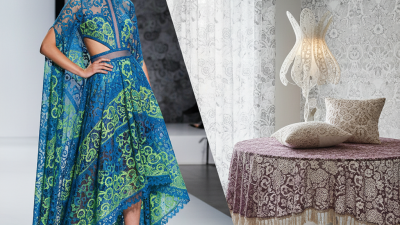
Choosing lace fabric can be overwhelming. The color and pattern can make a significant impact on your project. For a bold statement, consider vibrant hues. A striking red or deep blue can draw attention. Subtle pastels offer a soft, delicate look. When selecting, think about the mood you wish to convey. Vibrant colors can be energizing, while muted tones feel calming.
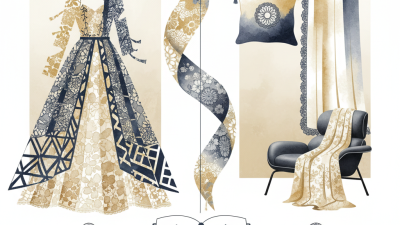
Patterns are equally crucial. Floral designs add romance and elegance. Geometric prints provide a modern touch. Lace with intricate details can elevate a simple garment. However, balancing the complexity of a pattern with the overall design is essential. Too busy a pattern can overwhelm the piece. Experiment with swatches to see how colors interact with your material.
The interplay of color and pattern is not always straightforward. Your choices may clash or complement each other in unexpected ways. It’s important to step back and reassess. Sometimes, what seemed perfect in your mind doesn’t translate well in fabric. Take time to explore options. This reflection can lead to a stronger final product.
Assessing Durability and Care: The Longevity of Various Lace Fabrics
When selecting lace fabric, durability is a key factor. Various lace types have unique qualities affecting their longevity. Cotton lace offers breathability and charm but may fade with time. It requires gentle washing to maintain its appearance. Synthetic lace, like polyester, tends to resist wear, maintaining vibrant colors even after many washes.
Now, consider care instructions. Some lace fabrics are more delicate than others. They may snag easily on rough surfaces. Regular handling can lead to unravelling. Inspect the fabric before purchase. Look for tight weaves and sturdy embroidery. These details can enhance durability, making it a practical choice for long-term projects.
Don’t overlook your lifestyle. If you frequently wear lace items, opt for resilient options. Think about how often you’ll wash and wear the fabric. This reflection will guide you toward a fabric that balances beauty with practicality. Ultimately, understanding the care and durability of lace fabrics empowers you to make informed choices that will stand the test of time.
How to Choose the Best Lace Fabric for Your Projects? - Assessing Durability and Care: The Longevity of Various Lace Fabrics
| Lace Type |
Durability Rating (1-10) |
Care Instructions |
Longevity Expectation (Years) |
| Cotton Lace |
7 |
Machine wash cold, hang dry |
5-10 |
| Polyester Lace |
8 |
Machine wash warm, tumble dry low |
10-15 |
| Silk Lace |
6 |
Dry clean only |
3-5 |
| Nylon Lace |
9 |
Machine wash cold, do not bleach |
10-20 |
| Rayon Lace |
5 |
Hand wash cold, hang to dry |
3-7 |
Cost vs. Quality: Budgeting for High-Quality Lace Materials in Projects
When embarking on a project involving lace fabric, budget considerations play a crucial role. Research shows that high-quality lace can range from $5 to $50 per yard, depending on the material and intricacy. This disparity is vital for makers who want to balance quality with affordability. Choosing cheaper options may result in fabrics that fray easily or lack the desired drape. Knowing your project's requirements is key to effective budgeting.
Tips: Focus on the essential qualities of lace. Look for fabrics that offer durability and special finishes. These features can justify a higher cost. Remember, investing in quality lace can enhance the overall aesthetic of your project, resulting in a striking final product that may save costs in the long run.
Many makers overlook the importance of fabric composition. Lace made from synthetic fibers may seem cheaper but could lead to issues like reduced breathability. Consider natural fibers like cotton or silk for superior comfort. While these may cost more, they often provide a better return on investment due to their longevity and appearance. Reflect on your choices to ensure they meet both budget and quality standards.
Cost vs. Quality: Budgeting for High-Quality Lace Materials

 +86 15968093247
 CONTACT NUMBER
 CONTACT e-mail